Introduction
- Lower back pain is one of the most common health problems adults experience
- Why it happens (not always because something is “out of place” or “damaged”)
- The importance of understanding your specific type of back pain
- What this guide covers:
- Common causes
- Warning signs
- Diagnosis
- Treatment options
- Exercises
- Prevention strategies
Lower back pain is one of the most common reasons people seek chiropractic care. At Bourdage Chiropractic in Lincolnwood, IL, I regularly evaluate and treat patients with lower back pain ranging from minor muscle and joint irritation to disc injuries and sciatica. I created this guide to help you better understand why your back may hurt, when you should seek care, and the treatment options that may help you get back to the activities you enjoy.
Table of Contents
- Understanding Lower Back Pain
- Common Causes of Lower Back Pain
- Risk Factors That Increase Your Chances of Lower Back Pain
- Lower Back Pain Symptoms and What They Mean
- When Lower Back Pain Requires Medical Attention
- How Lower Back Pain Is Diagnosed
- Common Treatment Options
- Chiropractic Care for Lower Back Pain
- Exercises and Mobility for a Healthy Back
- Lifestyle Factors That Affect Back Pain
- Preventing Future Episodes of Back Pain
- Frequently Asked Questions About Lower Back Pain
1. Understanding Lower Back Pain
Lower back pain refers to discomfort, pain, or stiffness in the area between the bottom of the ribs and the buttocks. It can range from a mild ache after activity to severe pain that limits movement and daily activities.
The lower back, also called the lumbar spine, is designed to provide both stability and movement. It supports the weight of the upper body while allowing us to bend, twist, walk, run, and perform everyday activities.
Because the lumbar spine is involved in almost every movement we make, it can be affected by many different factors, including:
- Muscle strain
- Joint irritation
- Disc injuries
- Poor movement patterns
- Repetitive stress
- Trauma
- Age-related changes
- Lifestyle factors
One of the biggest misconceptions about lower back pain is that pain always equals damage. Research shows that many people have changes on imaging studies, such as disc bulges or arthritis, without experiencing pain. Conversely, someone can have significant pain without major findings on an MRI.
Understanding the cause of your symptoms is the first step toward effective treatment.
2. Common Causes of Lower Back Pain
Muscle and Ligament Strain
One of the most common causes of lower back pain is irritation or injury to the muscles, tendons, and ligaments that support the spine.
This can occur from:
- Lifting something heavy
- Sudden twisting movements
- Sports activities
- Poor conditioning
- Repetitive movements
Symptoms often include:
- Aching pain
- Tightness
- Muscle spasms
- Pain that worsens with certain movements
Disc-Related Back Pain
Between each vertebra are spinal discs that act as shock absorbers. These discs help the spine move while protecting the bones.
Common disc conditions include:
Disc Bulge
A disc bulge occurs when the outer portion of the disc extends beyond its normal boundaries.
Many disc bulges are common findings and may not cause symptoms.
Herniated Disc
A herniated disc occurs when the inner gel-like material pushes through a tear in the outer disc layer.
Symptoms may include:
- Lower back pain
- Leg pain
- Numbness
- Tingling
- Weakness
Sciatica
Sciatica describes pain that travels along the path of the sciatic nerve, often from the lower back into the buttock and down the leg.
Common symptoms include:
- Sharp or burning pain
- Tingling
- Numbness
- Weakness
- Symptoms worse with sitting, bending, or coughing
Sciatica is usually caused by irritation or compression of a nerve root in the lower spine.
Learn about why your sciatica keeps coming back HERE
Facet Joint Pain
The facet joints are small joints located at the back of each spinal segment. They help guide movement and provide stability.
Irritation of these joints may cause:
- Localized lower back pain
- Pain with bending backward
- Stiffness after inactivity
- Pain with twisting movements
Sacroiliac Joint Dysfunction
The sacroiliac (SI) joints connect the pelvis to the spine.
Problems involving the SI joints may cause:
- Low back pain near the dimples of the lower back
- Buttock pain
- Pain with standing, walking, or changing positions
3. Risk Factors That Increase Your Chance of Lower Back Pain
Lower back pain is rarely caused by one single factor. Often, multiple factors combine.
Common contributors include:
Age
Spinal tissues naturally change over time. These changes are normal, but they can sometimes contribute to symptoms.
Physical Activity Level
Both too little activity and excessive activity can contribute.
A strong, conditioned body is generally more resilient.
Weakness or Poor Conditioning
The muscles of the trunk, hips, and legs help support the spine.
Poor Sleep
Sleep plays an important role in pain sensitivity, recovery, and inflammation regulation.
Stress
Stress can increase muscle tension and influence how the nervous system processes pain.
Previous Injuries
A history of back injuries may increase future risk.
4. Lower Back Pain Symptoms and What They Mean
Lower back pain can feel very different from person to person. Some people experience a dull ache and stiffness, while others may have sharp pain, numbness, or symptoms that travel into the legs.
The location, intensity, and type of symptoms can provide clues about what structures may be involved. However, symptoms alone do not always identify the exact cause. A thorough evaluation considers your symptoms, movement patterns, physical examination findings, and overall health history.
Below are some of the most common lower back pain symptoms and what they may indicate.
Localized Lower Back Pain
Localized lower back pain is pain felt primarily in the low back area without symptoms traveling into the buttocks or legs.
Common descriptions include:
- Aching
- Tightness
- Stiffness
- Soreness
- A feeling of “catching” with certain movements
This type of pain is often associated with irritation of muscles, joints, ligaments, or other structures surrounding the spine.
Common triggers include:
- Bending forward
- Lifting
- Prolonged sitting
- Standing for long periods
- Twisting movements
- Returning to activity after inactivity
Localized back pain is very common and often improves with appropriate movement, strengthening, and treatment focused on restoring normal function.
Lower Back Pain With Buttock Pain
Pain that extends into the buttocks is another common pattern.
You may notice:
- Aching in one or both buttocks
- Pain when sitting
- Discomfort with walking or standing
- Pain when transitioning from sitting to standing
Buttock pain can come from several areas, including:
- The lumbar spine
- The sacroiliac joints
- The muscles around the hips and pelvis
- Irritation of nearby nerves
The location of pain alone does not always identify the source. A proper examination helps determine which movements or structures may be contributing.
Pain That Travels Down the Leg (Sciatica Symptoms)
When lower back pain is accompanied by symptoms traveling down the leg, it may involve irritation of a spinal nerve.
Common symptoms include:
- Sharp or shooting pain
- Burning sensations
- Tingling
- Numbness
- Weakness
- Changes in reflexes
This pattern is commonly referred to as sciatica, although true sciatica specifically involves irritation of the sciatic nerve or its contributing nerve roots.
Symptoms may travel:
- Into the buttock
- Down the back of the thigh
- Into the calf
- Into the foot
Some people experience mostly leg symptoms with minimal back pain.
Numbness and Tingling
Numbness, tingling, or a “pins and needles” sensation can occur when nerves become irritated.
Possible causes include:
- Disc herniation
- Disc bulge affecting a nerve root
- Spinal narrowing (stenosis)
- Inflammation around a nerve
- Other neurological conditions
The location of numbness can provide important information.
For example:
- Numbness on the outside of the foot may involve different nerve pathways than numbness on the top of the foot.
- Tingling in the front of the thigh may involve a different spinal level than symptoms traveling down the back of the leg.
Because nerve symptoms involve the nervous system, they should be carefully evaluated, especially if they are worsening.
Weakness in the Leg or Foot
Weakness is different from pain or fatigue.
Examples include:
- Difficulty lifting the front of the foot
- The foot slapping while walking
- Trouble standing on your toes
- Loss of strength compared to the opposite side
- Difficulty climbing stairs due to weakness
New or progressive weakness can indicate increased nerve involvement and should be evaluated by a healthcare professional.
Stiffness and Limited Mobility
Many people with lower back pain experience stiffness, especially:
- First thing in the morning
- After sitting for long periods
- After driving
- After completing a demanding activity
Stiffness may result from:
- Joint irritation
- Muscle guarding
- Reduced movement
- Inflammation
- Changes in normal movement patterns
A common misconception is that people with back pain should avoid movement. In many cases, gradual, controlled movement is an important part of recovery.
Pain With Bending Forward
Pain with bending forward may occur with several different conditions.
Examples include:
- Disc-related irritation
- Muscle strain
- Reduced hip mobility
- Poor movement mechanics
Activities that may aggravate symptoms:
- Picking objects up from the floor
- Sitting for long periods
- Tying shoes
- Gardening
- Repeated bending tasks
Learning proper movement strategies and improving strength can often reduce sensitivity with these activities.
Pain With Bending Backward or Standing
Some people experience increased pain with:
- Standing upright
- Walking
- Leaning backward
- Prolonged extension positions
This pattern can sometimes be associated with:
- Facet joint irritation
- Spinal stenosis
- Joint stiffness
- Reduced movement control
Again, symptoms are only one piece of the puzzle. Two people can have similar symptoms but require different approaches.
Morning Back Pain: What Does It Mean?
Morning stiffness is common and does not automatically mean something serious.
Possible contributors include:
- Sleeping position
- Mattress support
- Reduced movement overnight
- Normal tissue stiffness
- Inflammatory conditions
Helpful strategies may include:
- Gentle movement after waking
- Walking
- Mobility exercises
- Avoiding prolonged inactivity
However, severe morning stiffness lasting a long time, especially when combined with other symptoms, may warrant further evaluation.
How Stress and the Nervous System Influence Back Pain
Pain is not simply a measurement of tissue damage. Pain is produced by the nervous system and influenced by many factors, including:
- Stress levels
- Sleep quality
- Previous experiences with pain
- Activity levels
- Fear of movement
- Overall health
This does not mean pain is “all in your head.” Pain is real. It means the nervous system plays an important role in how pain is experienced and maintained.
Understanding this connection is one of the most important advances in modern pain science.
Lower Back Pain Symptoms That Should Be Evaluated Promptly
Most cases of lower back pain are not dangerous and improve with appropriate care. However, certain symptoms require more urgent evaluation.
Seek medical attention if you experience:
- Loss of bowel or bladder control
- Numbness in the groin or saddle area
- Significant or progressive leg weakness
- Severe pain after major trauma
- Unexplained fever
- Unexplained weight loss
- History of cancer with new back pain
- Severe pain that does not improve or continues worsening
These symptoms are uncommon, but they should not be ignored.
Key Takeaway
Lower back pain can present in many different ways. The location and type of symptoms provide helpful clues, but a complete evaluation looks at the entire picture: your history, movement patterns, strength, mobility, and nervous system function.
The goal is not simply to find where it hurts. The goal is to understand why it hurts and what can be done to help you return to the activities you enjoy.
5. When Lower Back Pain Requires Medical Attention
Most episodes of lower back pain are not caused by serious conditions and improve with conservative care, including appropriate movement, exercise, and time. However, there are certain situations where lower back pain should be evaluated by a medical professional to rule out more serious problems.
Knowing the difference between common mechanical back pain and symptoms that require further investigation can help you make informed decisions about your health.
Common Lower Back Pain vs. Concerning Symptoms
The majority of lower back pain is considered mechanical, meaning it is related to how the spine, joints, muscles, discs, and surrounding tissues are functioning.
Mechanical back pain often:
- Changes depending on your position or activity
- Improves with movement or changing positions
- Is related to a specific activity or movement
- Comes and goes over time
- Improves gradually with appropriate care
Examples include:
- Muscle strains
- Joint irritation
- Disc-related pain
- Movement-related sensitivity
These problems are very common and often respond well to conservative treatment.
However, some symptoms may suggest the need for additional medical evaluation.
Warning Signs (Red Flags) for Lower Back Pain
Healthcare providers often refer to certain findings as “red flags.” These do not automatically mean something serious is happening, but they indicate that additional evaluation may be appropriate.
Loss of Bowel or Bladder Control
New changes in bladder or bowel function combined with lower back pain require immediate medical attention.
Examples include:
- Difficulty controlling urination
- Loss of bowel control
- New inability to urinate normally
These symptoms can rarely occur with significant nerve compression and should not be ignored.
Numbness in the Groin or Saddle Area
Numbness in the area that would contact a bicycle seat (often called the “saddle area”) can be a concerning neurological symptom.
This should be evaluated promptly, especially if combined with:
- Leg weakness
- Changes in bladder function
- Severe nerve pain
Progressive Muscle Weakness
Pain, tingling, and numbness are different from true weakness.
Seek evaluation if you notice:
- Increasing difficulty lifting your foot
- Your foot catching or dragging while walking
- Significant loss of strength on one side
- Difficulty performing normal movements that were previously easy
A healthcare professional can determine whether the weakness is related to nerve involvement or another cause.
Severe Trauma
Back pain following a significant injury should be evaluated, especially if the trauma involved:
- A fall from height
- A motor vehicle accident
- A direct blow to the spine
- A sports injury with significant force
The risk of fractures or other injuries is higher depending on factors such as age, bone health, and the severity of the trauma.
Unexplained Weight Loss or Fever
Back pain accompanied by:
- Unexplained weight loss
- Fever
- Chills
- Feeling unusually ill
may require further evaluation.
These symptoms are uncommon with typical mechanical back pain.
History of Cancer or Serious Medical Conditions
A new episode of back pain should be evaluated carefully in individuals with certain medical histories, including:
- Previous cancer diagnosis
- Significant immune system problems
- Serious infections
- Long-term steroid use
Your healthcare provider can determine whether additional testing is appropriate.
When Imaging May Be Needed
One of the most common questions patients ask is:
“Do I need an MRI for my back pain?”
The answer is: sometimes, but not always.
Imaging such as X-rays or MRI can be valuable when there is a specific reason to look deeper. Examples include:
- Significant trauma
- Progressive neurological symptoms
- Suspicion of serious underlying conditions
- Symptoms that do not improve with appropriate conservative care
However, imaging is not always helpful in the early stages of uncomplicated lower back pain.
Research has shown that many people without back pain have findings on MRI, including:
- Disc bulges
- Disc degeneration
- Arthritis
- Other age-related changes
These findings do not always explain symptoms.
A good clinical evaluation helps determine whether imaging findings are actually related to your pain.
Why MRI Findings Can Be Confusing
Many patients become concerned when they hear words like:
- Degenerative disc disease
- Disc bulge
- Disc protrusion
- Arthritis
- Spinal stenosis
These terms can sound alarming, but they do not always mean your spine is damaged or that you need surgery.
For example:
A disc bulge on an MRI does not automatically mean the disc is the source of pain.
The important questions are:
- Do the MRI findings match your symptoms?
- Do they match your physical examination?
- Are they affecting nerve function?
- Do they change your treatment approach?
The goal of imaging is not simply to find abnormalities. The goal is to find information that helps guide the right care.
When to See a Chiropractor or Conservative Care Provider
Many people with lower back pain can benefit from an evaluation focused on:
- Movement patterns
- Joint mobility
- Muscle function
- Strength
- Flexibility
- Daily activities contributing to symptoms
A conservative approach may include:
- Chiropractic care
- Exercise therapy
- Mobility work
- Strength training
- Education about pain and movement
- Lifestyle modifications
The goal is not simply to reduce pain temporarily, but to help restore function and confidence in movement.
A Note About Persistent Back Pain
Some people experience back pain that lasts longer than expected.
Pain lasting:
- Less than 4 weeks is often considered acute
- 4–12 weeks is often considered subacute
- More than 12 weeks is considered chronic
Persistent pain does not necessarily mean something is seriously wrong. Many factors can influence whether pain continues, including:
- Avoidance of movement
- Reduced strength
- Poor sleep
- Stress
- Previous pain experiences
- Ongoing irritation or sensitivity
A comprehensive approach often produces the best outcomes.
Key Takeaway
Most lower back pain is manageable and improves with the right approach. However, recognizing warning signs and knowing when additional evaluation is needed is an important part of responsible care.
The goal is not to fear back pain — it is to understand it.
You also do not want to mask back pain with medications, it is better to get to the root cause of it.
A proper evaluation helps answer three important questions:
- What factors are contributing to my pain?
- What can I safely do to improve?
- What steps will help prevent this from happening again?
6. How Lower Back Pain Is Diagnosed
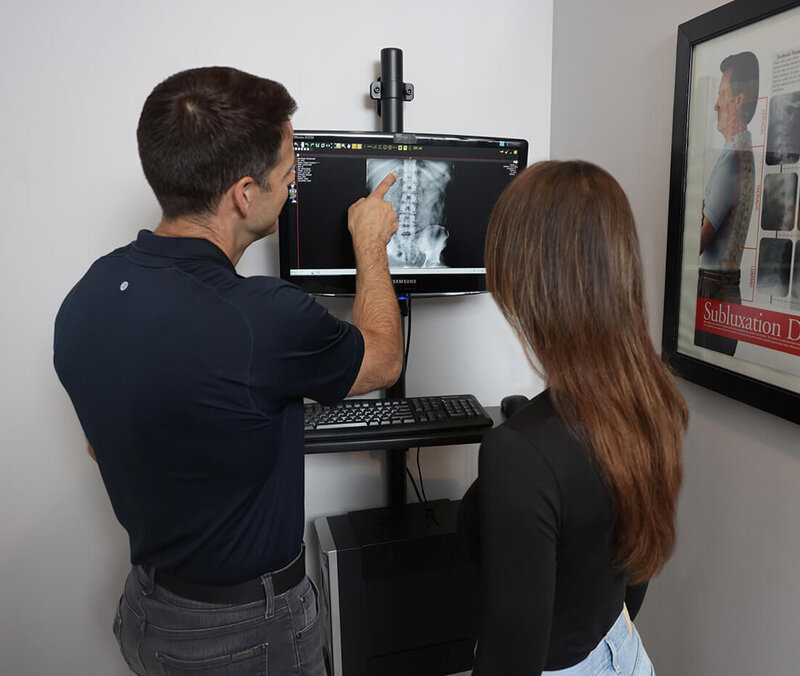
Understanding the cause of lower back pain starts with a thorough evaluation. While many people assume diagnosis begins with an MRI or X-ray, the most important first step is often a detailed conversation and physical examination.
A good evaluation looks beyond the location of pain and considers how your spine, nervous system, muscles, joints, and movement patterns work together.
The goal is not simply to identify where it hurts. The goal is to understand why it hurts and what factors are contributing to the problem.
The Patient History: Understanding Your Story
The first part of a lower back pain evaluation is your health history.
Your symptoms provide important clues about what may be contributing to your pain.
A healthcare provider may ask questions such as:
- When did your pain begin?
- Did it start suddenly or gradually?
- Was there a specific injury or activity that triggered it?
- Where exactly do you feel the pain?
- Does the pain stay in your back or travel into your legs?
- What activities make it better or worse?
- Have you experienced similar episodes in the past?
- What treatments have you already tried?
The pattern of your symptoms often helps narrow down the possible causes.
For example:
- Pain that changes with movement may suggest a mechanical source.
- Leg pain with numbness or tingling may suggest nerve involvement.
- Pain that is constant and unrelated to movement may require a broader evaluation.
Physical Examination for Lower Back Pain
A physical examination helps identify how your body is moving and functioning.
A comprehensive exam may include several components.
Posture and Movement Assessment
Your posture and movement habits can provide valuable information.
An evaluation may look at:
- Standing posture
- Spinal alignment
- Pelvic position
- Walking pattern
- How you bend, twist, squat, and lift
The goal is not to find a “perfect” posture. Human bodies are naturally variable.
Instead, the goal is to identify movement patterns that may be contributing to excessive stress or sensitivity.
Range of Motion Testing
The lumbar spine moves through several directions:
- Forward bending (flexion)
- Backward bending (extension)
- Side bending
- Rotation
A provider may evaluate:
- How far you can move
- Whether movement reproduces symptoms
- Whether certain directions feel restricted
- Whether symptoms improve with specific movements
This information helps guide treatment recommendations.
Neurological Examination
When symptoms suggest possible nerve involvement, a neurological exam becomes especially important.
This may include testing:
Muscle Strength
Checking strength in movements such as:
- Ankle lifting
- Toe extension
- Calf raises
- Hip movements
Sensation
Assessing areas of numbness or altered sensation.
Reflexes
Checking neurological reflex responses.
These findings help determine whether a nerve may be irritated or compressed.
Orthopedic Testing
Specific movement tests can help identify which structures may be involved.
Examples include tests that evaluate:
- Disc-related symptoms
- Nerve irritation
- Hip involvement
- Sacroiliac joint function
- Spinal joint sensitivity
No single test provides the entire answer. A skilled clinician combines multiple findings to create a clearer picture.
Strength and Functional Assessment
The lower back does not work alone.
The spine is connected to a larger movement system involving:
- Abdominal muscles
- Glutes
- Hip muscles
- Pelvic muscles
- Upper back and shoulder region
An evaluation may examine:
- Core control
- Hip strength
- Balance
- Functional movement patterns
- Ability to perform daily activities
For many people, improving strength and movement capacity is an important part of long-term recovery.
Imaging for Lower Back Pain
Imaging can be useful, but it should be used appropriately.
Common imaging options include:
X-rays
X-rays are useful for evaluating:
- Bone structure
- Alignment
- Fractures
- Arthritis
- Certain types of instability
However, X-rays do not show soft tissues such as:
- Discs
- Nerves
- Muscles
- Ligaments
MRI
MRI provides detailed images of soft tissues, including:
- Intervertebral discs
- Nerve roots
- Spinal cord structures
- Ligaments
MRI may be appropriate when:
- Neurological symptoms are present
- Symptoms are not improving
- There is concern for a more serious condition
- Results would change treatment decisions
However, MRI findings must always be interpreted in context.
Why a Diagnosis Should Not Be Based on Imaging Alone
One of the most important concepts in modern back care is that imaging findings do not always equal pain.
Many people without back pain have findings such as:
- Disc degeneration
- Disc bulges
- Mild arthritis
- Spinal changes associated with aging
These findings are often part of normal aging.
A diagnosis should combine:
Your symptoms + your examination + your imaging (when appropriate)
not just an image alone.
The Importance of Finding the Root Cause
A common frustration for people with lower back pain is being told:
“Your MRI is normal.”
or:
“Your MRI shows degeneration.”
Neither statement fully explains the problem.
The more important questions are:
- What movements trigger your symptoms?
- What activities are limited?
- What areas are weak or restricted?
- What habits may be contributing?
- What can be changed to improve your function?
A complete evaluation focuses on the person, not just the scan.
The Role of Chiropractic Evaluation
A chiropractic evaluation typically focuses on identifying areas where spinal movement, joint function, muscle control, and biomechanics may be contributing to symptoms.
This may include assessing:
- Spinal mobility
- Joint function
- Muscle tension
- Movement patterns
- Functional limitations
The purpose of the evaluation is to develop an individualized plan that may include:
- Spinal manipulation when appropriate
- Exercise recommendations
- Mobility strategies
- Strengthening
- Lifestyle and activity modifications
Chiropractic care is one component of a broader approach to managing lower back pain and improving function.
Key Takeaway
Diagnosing lower back pain requires more than identifying the painful area. A complete evaluation looks at the whole person — symptoms, movement, strength, neurological function, lifestyle, and goals.
The right diagnosis helps create the right plan.
7. Common Treatment Options for Lower Back Pain
When it comes to treating lower back pain, there is no single solution that works for everyone.
The best treatment approach depends on several factors, including:
- The cause of your pain
- How long you have had symptoms
- Your activity level
- Your goals
- Your overall health
- Whether nerves are involved
A successful treatment plan should focus on more than just reducing pain. The goal is to restore movement, improve strength, build confidence, and help you return to the activities that matter most.
Modern approaches to lower back pain emphasize active recovery whenever appropriate. This means helping people safely move, exercise, and regain function rather than relying only on passive treatments.
Staying Active: The Foundation of Back Pain Recovery
One of the biggest misconceptions about lower back pain is that rest is the best solution.
While short periods of relative rest may be helpful during a painful flare-up, prolonged inactivity can often make recovery more difficult.
Too much rest may contribute to:
- Muscle weakness
- Reduced mobility
- Increased fear of movement
- Lower tolerance for everyday activities
For most people, gradual return to movement is an important part of recovery.
Helpful activities may include:
- Walking
- Gentle mobility exercises
- Strength training
- Core exercises
- Returning gradually to hobbies and sports
The right amount of activity depends on your specific situation.
A good rule is:
Movement should be progressed, not avoided.
Chiropractic Care for Lower Back Pain
Chiropractic care is a common conservative treatment option for people experiencing lower back pain.
A chiropractor evaluates how the spine and surrounding structures are functioning and may use hands-on techniques designed to improve joint movement and reduce discomfort.
Treatment may include:
Spinal Manipulation
Spinal manipulation involves applying controlled forces to specific spinal joints.
Research has shown spinal manipulation can provide relief for some individuals with acute and chronic lower back pain, especially when combined with exercise and other active strategies.
Potential benefits may include:
- Reduced pain
- Improved mobility
- Improved tolerance to activity
- Decreased stiffness
Not everyone requires the same type of care, and treatment should always be individualized.
Soft Tissue Therapy
Muscles and connective tissues often play a role in back pain.
Soft tissue techniques may focus on areas such as:
- Low back muscles
- Glute muscles
- Hip muscles
- Hamstrings
- Other surrounding tissues
The goal is to improve comfort and movement while helping patients participate more effectively in rehabilitation.
Exercise-Based Rehabilitation
Exercise is one of the most important components of long-term back health.
A personalized exercise program may focus on:
- Improving spinal stability
- Building core strength
- Strengthening hips and legs
- Improving mobility
- Increasing confidence with movement
Examples may include:
- Walking programs
- Core stabilization exercises
- Resistance training
- Mobility drills
- Functional movement exercises
The best exercise program is one that matches your current abilities and progresses over time.
Physical Therapy
Physical therapy focuses on restoring movement, improving strength, and helping patients return to normal activities.
A physical therapist may address:
- Mobility limitations
- Muscle weakness
- Movement patterns
- Balance and coordination
- Work or sport-specific demands
Physical therapy and chiropractic care often share common goals:
- Improve function
- Reduce pain
- Restore movement
- Help patients become more active
Medication for Lower Back Pain
Medications may be used in some situations to help manage symptoms, especially during painful episodes.
Common options may include:
Anti-inflammatory Medications
Nonsteroidal anti-inflammatory drugs (NSAIDs) may help reduce pain and inflammation for some individuals.
Examples include medications such as ibuprofen or naproxen.
However, these medications are not appropriate for everyone and may have risks depending on your medical history.
Muscle Relaxants
In certain cases, healthcare providers may prescribe medications intended to reduce muscle spasms.
These are generally used for short periods due to potential side effects.
Pain Medications
Certain pain medications may occasionally be used for severe symptoms, but long-term reliance on opioid medications for chronic back pain is generally approached with caution due to risks and limited effectiveness for many people.
Injections for Lower Back Pain
Some patients may benefit from injection-based treatments.
Examples include:
Epidural Steroid Injections
These injections place medication near irritated spinal nerves.
They may provide temporary relief for some individuals, particularly when nerve-related symptoms are present.
Facet Joint Injections
These may be considered when facet joints are suspected to contribute to symptoms.
It is important to understand that injections typically focus on reducing symptoms rather than correcting underlying movement, strength, or lifestyle factors.
They are often most effective when combined with active rehabilitation.
Surgery for Lower Back Pain
Surgery is sometimes necessary, but it is usually not the first treatment option for most lower back pain.
Surgery may be considered when there is:
- Significant or progressive neurological weakness
- Severe nerve compression
- Certain spinal fractures
- Structural problems that have not improved with appropriate conservative care
Common spinal procedures include:
- Discectomy (removing part of a problematic disc)
- Decompression procedures
- Spinal fusion in select cases
The decision for surgery should involve careful consideration of:
- Symptoms
- Examination findings
- Imaging results
- Functional limitations
- Overall health
An MRI finding alone is rarely enough reason for surgery.
Passive Treatments vs. Active Treatments
Many treatments can feel good in the short term, but long-term improvement often requires restoring capacity.
Passive treatments may include:
- Massage
- Heat
- Ice
- Electrical stimulation
- Manual therapy
These can be useful tools, especially for symptom relief.
Active treatments include:
- Exercise
- Strength training
- Mobility work
- Walking
- Gradual return to activity
These help build resilience and improve your ability to handle daily demands.
The strongest treatment plans often combine both approaches.
Factors That Improve Long-Term Success
Successful recovery is influenced by more than the treatment you receive.
Important factors include:
Consistency
Small improvements performed consistently often create better results than occasional intense efforts.
Strength and Fitness
A stronger body is generally better equipped to tolerate stress.
Sleep
Poor sleep can increase pain sensitivity and slow recovery.
Confidence With Movement
Fear of movement can lead to avoiding activities that are actually helpful.
Understanding Your Condition
Education helps you make better decisions and reduces unnecessary fear.
Key Takeaway
The best treatment for lower back pain is rarely about finding one “magic fix.” Effective care focuses on understanding the cause of symptoms, improving movement, restoring strength, and helping you return to the activities you enjoy.
A comprehensive plan may include chiropractic care, exercise, lifestyle changes, and other treatments when appropriate.
The goal is not simply to feel better today — it is to build a healthier, more capable back for the future.
8. Chiropractic Care for Lower Back Pain
Chiropractic care is one of the most commonly used conservative approaches for people experiencing lower back pain. Millions of people seek chiropractic treatment each year for help with pain, stiffness, limited mobility, and difficulty performing everyday activities.
A modern chiropractic approach focuses on more than simply treating the painful area. A thorough evaluation considers how the spine, joints, muscles, nervous system, and movement patterns work together.
The goal is to help patients reduce symptoms, restore function, and return to the activities they value.
What Does a Chiropractor Do for Lower Back Pain?
A chiropractor evaluates the factors that may be contributing to your symptoms and develops a treatment plan based on your individual needs.
This may include assessing:
- Spinal movement
- Joint mobility
- Muscle function
- Strength and flexibility
- Posture and movement patterns
- Activities that aggravate or relieve symptoms
The purpose of an evaluation is not simply to find a “bad” joint or a single problem area. Lower back pain is often influenced by multiple factors, including movement habits, physical demands, previous injuries, and overall conditioning.
Spinal Manipulation and Adjustments
One of the most recognized treatments provided by chiropractors is spinal manipulation, often referred to by patients as an adjustment.
A spinal adjustment involves applying a controlled force to a specific joint with the goal of improving joint movement and function.
Potential benefits may include:
- Decreased pain
- Improved range of motion
- Reduced stiffness
- Improved ability to perform daily activities
Some patients experience immediate improvement, while others may require a combination of treatments and active rehabilitation to achieve lasting changes.
How Chiropractic Adjustments May Help
The spine contains many joints, muscles, ligaments, and nerves that work together during movement.
When someone experiences back pain, they may develop:
- Guarding of muscles
- Reduced movement
- Altered movement patterns
- Increased sensitivity in the nervous system
A chiropractic adjustment may influence:
- Joint motion
- Muscle activity
- The nervous system’s response to movement
- A person’s ability to move comfortably
It is important to understand that an adjustment is not about “putting a bone back into place.” The spine is not typically “out of alignment” in the way many people imagine.
Modern chiropractic care focuses on improving function and helping the body move more efficiently.
Chiropractic Care and Exercise
The strongest approach to lower back pain often combines hands-on care with active rehabilitation.
While adjustments and manual therapy may help reduce symptoms, building strength and movement capacity is essential for long-term improvement.
A comprehensive plan may include:
Core Strengthening
The muscles surrounding the spine help provide stability and support.
Training may focus on:
- Deep abdominal muscles
- Spinal stabilizers
- Controlled trunk movement
Hip and Glute Strength
The hips and pelvis play an important role in how forces are transferred through the body.
Improving hip strength may help with:
- Walking
- Lifting
- Sports performance
- Daily activities
Mobility Training
Improving mobility in areas such as:
- Hips
- Thoracic spine
- Hamstrings
may reduce unnecessary stress on the lower back.
Gradual Return to Activity
A major goal of chiropractic care is helping patients regain confidence in movement.
This may involve returning to:
- Exercise
- Work activities
- Recreational activities
- Sports
- Hobbies
The goal is not to avoid movement forever. The goal is to make movement easier and more comfortable.
Here are some great movements to help
What Conditions May Benefit From Chiropractic Care?
Chiropractic care may be helpful for many common types of lower back pain, including:
- Mechanical low back pain
- Muscle-related back pain
- Joint-related back pain
- Certain disc-related conditions
- Some cases of sciatica
- Back pain related to movement limitations
However, chiropractic care is not appropriate for every condition.
A responsible chiropractor should recognize when symptoms require referral or additional medical evaluation.
When Chiropractic Care May Not Be Appropriate
Certain situations require medical evaluation before beginning chiropractic treatment.
Examples include:
- Suspected fractures
- Serious infections
- Certain cancers
- Severe neurological changes
- Progressive weakness
- Emergency conditions involving nerve compression
A thorough history and examination help determine whether chiropractic care is appropriate.
How Long Does It Take to Get Better?
One of the most common questions patients ask is:
“How many treatments will I need?”
The answer depends on many factors, including:
- How long you have had pain
- The severity of symptoms
- Your activity level
- Your overall health
- How consistently you follow recommendations
Some people improve quickly, while others require a longer process.
A good treatment plan should include:
- Clear goals
- Regular progress evaluation
- Education about self-management
- A plan to transition toward independence
The ultimate goal is not indefinite treatment. The goal is helping patients regain control of their health and function.
Chiropractic Care as Part of a Bigger Plan
Lower back pain is rarely solved by one intervention alone.
The best outcomes often come from combining:
- Appropriate hands-on care
- Strength training
- Mobility exercises
- Healthy movement habits
- Sleep optimization
- Stress management
- Gradual return to normal activities
Chiropractic care can be an important tool within this broader approach.
Key Takeaway
Chiropractic care for lower back pain focuses on improving movement, reducing symptoms, and helping patients return to the activities they enjoy.
A successful approach combines skilled evaluation, appropriate treatment, patient education, and active participation.
The goal is not just temporary relief — it is helping you build a stronger, more resilient back.
9. Exercises and Mobility for a Healthy Back
Exercise is one of the most important tools for improving lower back health.
For many people, the answer to recurring back pain is not avoiding movement — it is gradually building the ability to move, load, and perform daily activities with more confidence.
The lower back is designed to move. It is also designed to handle stress. Like any other part of the body, it becomes more capable when it is appropriately challenged and trained.
A healthy back is not a back that never experiences stress. A healthy back is a back that has the strength, mobility, and capacity to handle the demands placed on it.
The Role of Exercise in Lower Back Pain Recovery
Exercise can help with lower back pain by improving:
- Strength
- Mobility
- Coordination
- Balance
- Confidence with movement
- Tolerance to physical activity
Regular exercise may also improve factors that influence pain, including:
- Sleep quality
- Stress levels
- Energy
- Overall physical health
The best exercise program is one that is:
- Safe for your current condition
- Consistent
- Progressive
- Specific to your goals
There is no single “perfect” back exercise. The right exercises depend on your symptoms, abilities, and lifestyle.
Should You Stretch or Strengthen Your Back?
A common question people ask is:
“Do I need to stretch my back or strengthen it?”
For most people, the answer is: both may be beneficial.
Many people with back pain experience some combination of:
- Limited mobility
- Muscle stiffness
- Reduced strength
- Poor movement control
Stretching alone may temporarily improve comfort, but strength and movement capacity are often important for long-term success.
A well-rounded program usually includes:
- Mobility exercises
- Core strengthening
- Hip and leg strengthening
- Functional movement patterns
- Gradual increases in activity
Mobility Exercises for Lower Back Pain
Mobility exercises focus on improving comfortable movement throughout the spine and surrounding joints.
Cat-Cow Movement
This gentle movement encourages spinal motion through flexion and extension.
Potential benefits:
- Improves spinal mobility
- Reduces stiffness
- Helps people become comfortable moving their spine
How to perform:
- Begin on your hands and knees.
- Slowly round your back upward.
- Then gently arch your back while looking forward.
- Move slowly and comfortably.
Avoid forcing the range of motion.
Child’s Pose
This position gently stretches the back and hips.
Potential benefits:
- Provides a comfortable position for many people
- Encourages relaxation of the back muscles
- Improves hip and spine mobility
How to perform:
- Start on hands and knees.
- Sit your hips back toward your heels.
- Reach your arms forward.
- Breathe slowly and relax into the position.
Hip Mobility Exercises
The hips and lower back work together during many movements.
Limited hip mobility may increase demands on the lumbar spine during:
- Squatting
- Bending
- Walking
- Rotating
Useful hip mobility exercises may include:
- Hip rotations
- Hip flexor stretches
- Controlled leg movements
- Dynamic warm-ups
Core Exercises for Lower Back Health
The core is not just your abdominal muscles.
Your core includes:
- Abdominal muscles
- Deep spinal muscles
- Pelvic muscles
- Diaphragm
- Muscles around the hips
The purpose of core training is not necessarily to create a rigid spine. It is to develop the ability to control movement and transfer forces efficiently.
Bird Dog
The bird dog trains spinal control and coordination.
How to perform:
- Start on hands and knees.
- Brace your abdominal muscles gently.
- Extend one arm and the opposite leg.
- Hold briefly.
- Return slowly and switch sides.
Focus on:
- Keeping your spine stable
- Avoiding excessive arching
- Moving with control
Side Plank
Side planks strengthen muscles involved in controlling side-to-side movement.
Benefits may include improving:
- Trunk stability
- Hip strength
- Core endurance
Modify by performing from your knees if needed.
Dead Bug
The dead bug trains core control while the spine remains stable.
How to perform:
- Lie on your back with your arms and legs raised.
- Brace your core gently.
- Slowly lower opposite arm and leg.
- Return to the starting position.
- Alternate sides.
The goal is controlled movement, not maximum difficulty.
Strength Training for a Stronger Back
Many people with back pain become afraid of lifting weights.
However, properly performed strength training is one of the best ways to improve physical capacity.
Strength training can help improve:
- Muscle strength
- Bone health
- Joint resilience
- Body composition
- Confidence with movement
Exercises may include:
- Squats or squat variations
- Lunges
- Step-ups
- Hip hinges
- Rows
- Loaded carries
- Resistance training exercises
The key is matching the exercise to your current ability and progressing gradually.
Lifting and Bending With Back Pain
Many people are told:
“Never bend with your back.”
This advice is overly simplistic.
Your spine is designed to bend, twist, and move.
The problem is usually not one specific movement. Problems often arise from:
- Too much load too soon
- Poor conditioning
- Repetitive stress without recovery
- Fear and avoidance of normal movement
Learning how to lift safely involves:
- Using appropriate loads
- Maintaining control
- Building strength gradually
- Using your hips and legs effectively
A strong back is built by exposure to movement, not avoidance of movement.
Walking: One of the Most Underrated Back Exercises
Walking is often overlooked, but it can be extremely beneficial.
Benefits include:
- Gentle spinal movement
- Improved circulation
- Reduced stiffness
- Improved mood
- Increased daily activity
For many people recovering from back pain, walking is an excellent starting point.
A simple progression:
- Start with a comfortable duration
- Walk consistently
- Gradually increase time or distance
Exercises During a Back Pain Flare-Up
When symptoms are more intense, the goal is usually not to push through severe pain.
Helpful strategies may include:
- Short walks
- Gentle mobility
- Comfortable movement
- Avoiding prolonged bed rest
During a flare-up, the question is often not:
“How do I eliminate all pain immediately?”
A better question is:
“How do I keep my body moving safely while symptoms settle?”
Exercises That May Need Modification
Certain exercises are not automatically bad, but they may need to be adjusted depending on your symptoms.
Examples:
- Heavy lifting
- High-impact activities
- Deep bending under load
- Repetitive twisting movements
The important question is not:
“Is this exercise good or bad for the back?”
The better question is:
“Is this exercise appropriate for this person at this point in their recovery?”
Key Takeaway
Exercise is one of the most powerful tools for improving lower back health.
The goal is not to protect your back from all stress. The goal is to gradually build a back that is strong, mobile, and capable.
A successful exercise program combines:
- Mobility
- Strength
- Control
- Progressive loading
- Consistency
Your back was designed to move — and the right movement can be one of the best forms of medicine.
10. Lifestyle Factors That Affect Lower Back Pain
Lower back pain is rarely caused by one single factor.
While an injury, activity, or movement may trigger symptoms, the health and resilience of your body are influenced by many daily habits. Sleep, stress, nutrition, activity levels, and work demands all play a role in how your body responds to physical stress.
Understanding these factors can help you take a more complete approach to managing lower back pain.
The goal is not perfection. Small, consistent improvements in your daily habits can make a meaningful difference.
Sleep and Lower Back Pain
Sleep is one of the most important, yet often overlooked, factors in pain recovery.
During sleep, the body performs important processes related to:
- Tissue repair
- Hormonal regulation
- Immune function
- Nervous system recovery
Poor sleep can influence how the nervous system processes pain.
People who do not sleep well may experience:
- Increased sensitivity to discomfort
- Lower energy
- Reduced ability to exercise
- Slower recovery from physical stress
Tips for Better Sleep With Back Pain
If back pain affects your sleep, consider:
Find a Comfortable Position
There is no single “correct” sleeping position. The best position is the one that allows you to sleep comfortably.
Some people find relief with:
- A pillow between the knees when side sleeping
- A pillow under the knees when back sleeping
- A supportive mattress that fits their needs
Keep Moving During the Day
Regular movement can improve:
- Sleep quality
- Circulation
- Muscle function
- Stress levels
Too much inactivity during the day may contribute to stiffness and discomfort.
Stress and the Nervous System
Stress does not cause back pain in the sense that pain is imaginary. Pain is real.
However, the nervous system plays an important role in how the body experiences and responds to pain.
When stress levels are high, the body may experience:
- Increased muscle tension
- Poor sleep
- Reduced recovery
- Increased sensitivity to discomfort
Common sources of stress include:
- Work demands
- Family responsibilities
- Financial concerns
- Poor sleep
- Ongoing worry about pain
The Importance of Feeling Safe With Movement
One of the challenges after a back injury is developing fear around certain movements.
People may begin thinking:
- “I shouldn’t bend.”
- “I’m damaging my spine.”
- “My back is fragile.”
While protecting an injured area early on can be helpful, long-term avoidance can sometimes make the body less prepared for normal activities.
A gradual return to movement helps rebuild:
- Strength
- Confidence
- Trust in your body
Weight and Lower Back Pain
Body weight is one factor that may influence back health, but it is only one piece of a much larger picture.
Additional body weight can increase physical demands on:
- The spine
- Joints
- Muscles
- Connective tissues
However, improving back health is not only about losing weight.
Other important factors include:
- Strength
- Fitness level
- Movement quality
- Activity habits
- Sleep
- Overall health
A stronger, more active person may tolerate physical demands better regardless of body size.
Nutrition and Back Health
Nutrition does not directly “fix” back pain, but it plays an important role in overall health and recovery.
A balanced diet supports:
- Energy for exercise
- Muscle maintenance
- Healthy body composition
- Normal tissue repair
Important nutritional factors include:
Adequate Protein
Protein supports:
- Muscle repair
- Strength development
- Recovery from training
Adequate protein intake is especially important for maintaining muscle as we age.
Hydration
Proper hydration supports:
- Muscle function
- Exercise performance
- Overall health
Nutrient-Dense Foods
A diet emphasizing:
- Fruits and vegetables
- Quality protein sources
- Healthy fats
- Whole foods
supports overall health and resilience.
Activity Level and Back Pain
Both too little activity and too much activity can contribute to symptoms.
Too Little Activity
A sedentary lifestyle may contribute to:
- Muscle weakness
- Reduced mobility
- Lower exercise tolerance
- Increased stiffness
Common examples include:
- Sitting for long periods
- Avoiding activity due to fear
- Lack of strength training
Too Much Activity Without Recovery
On the other hand, physical activity without adequate recovery can also contribute.
Risk factors include:
- Rapid increases in training volume
- Repetitive stress
- Poor recovery habits
- Ignoring early warning signs
The goal is not maximum activity.
The goal is finding the right balance between:
Stress + Recovery = Adaptation
Workplace and Ergonomic Factors
Many people spend hours each day in positions that may contribute to discomfort.
Common workplace challenges include:
- Prolonged sitting
- Repetitive lifting
- Awkward positions
- Long commutes
- Poor workstation setup
Sitting and Lower Back Pain
Sitting itself is not necessarily harmful.
The problem is often staying in one position for too long.
Helpful strategies:
- Change positions regularly
- Take movement breaks
- Stand and walk periodically
- Avoid staying completely still for hours
Your body generally responds well to movement variety.
Lifting at Work
For people who lift frequently:
Helpful strategies include:
- Building strength gradually
- Using proper equipment when needed
- Avoiding sudden increases in workload
- Improving lifting confidence
The goal is not to eliminate lifting. It is to make your body more capable of handling it.
See the proper way to bend for lifting HERE
Smoking and Back Health
Smoking is associated with several negative health effects, including effects on spinal health.
Smoking may influence:
- Blood flow to spinal tissues
- Disc health
- Healing capacity
- Risk of certain spinal problems
Quitting smoking is one of the most beneficial steps someone can take for overall health.
Aging and Lower Back Pain
Many people assume back pain is simply an unavoidable part of getting older.
While the spine naturally changes with age, aging does not mean you are destined to experience pain or lose function.
Healthy aging involves:
- Maintaining muscle strength
- Staying active
- Training balance and mobility
- Managing body weight
- Prioritizing recovery
The goal is not to have the spine of a 20-year-old.
The goal is to have a spine and body that allow you to live the life you want.
Key Takeaway
Lower back pain is influenced by much more than the spine alone.
The strongest approach combines:
- Regular movement
- Strength training
- Quality sleep
- Stress management
- Healthy nutrition
- Appropriate activity levels
Your daily habits help determine how resilient your body is and how well it responds to physical demands.
Small changes, consistently applied over time, can have a significant impact on your back health.
11. Preventing Future Episodes of Lower Back Pain
One of the most frustrating parts of lower back pain is that symptoms can return.
Many people experience a cycle:
- Back pain develops
- Symptoms improve
- Normal activities resume
- The same problem returns months or years later
The goal of long-term back care is not simply to get through the current episode. The goal is to build a body that is better prepared for the demands of everyday life.
The good news is that many factors that contribute to recurring back pain can be improved.
A healthy back is not created by avoiding all stress. It is created by gradually adapting to appropriate stress.
Build Strength and Physical Capacity
Strength is one of the most important factors in maintaining a resilient back.
Your spine depends on the muscles around it to help control movement and handle physical demands.
Important areas to strengthen include:
- Core muscles
- Glutes
- Hips
- Legs
- Upper back
- Overall body strength
Strength training can help you:
- Lift and carry more comfortably
- Improve posture and movement control
- Maintain independence as you age
- Reduce fear of movement
You do not need to be an athlete to benefit from strength training. People of all ages and fitness levels can improve their back health by gradually becoming stronger.
Maintain Regular Movement
Consistency matters more than occasional bursts of activity.
A person who moves regularly throughout the week is generally better prepared for physical demands than someone who is inactive most of the time and occasionally performs a demanding activity.
Helpful habits include:
- Daily walking
- Regular mobility work
- Strength training several times per week
- Participating in activities you enjoy
The best exercise program is the one you can maintain.
Improve Your Lifting Technique
Lifting is a normal part of life.
The goal is not to avoid lifting forever. The goal is to become more capable at lifting.
Helpful lifting strategies include:
Plan Before You Lift
Before picking something up:
- Know where the object is going
- Make sure the path is clear
- Choose an appropriate weight
Use Your Whole Body
Good lifting involves:
- Legs
- Hips
- Core
- Back
Your back is not a separate structure that must be protected from all movement. It is part of a coordinated system.
Increase Loads Gradually
Many back injuries occur when someone does more than their body is currently prepared to handle.
Examples:
- Moving heavy furniture after months of inactivity
- Increasing exercise intensity too quickly
- Returning to sports without rebuilding capacity
Gradual progression allows your body to adapt.
Avoid the “Fragile Back” Mindset
One of the biggest barriers to recovery is fear.
After experiencing back pain, many people become cautious about normal activities:
- Bending
- Twisting
- Exercising
- Lifting
- Playing sports
This is understandable, especially after a painful episode.
However, the spine is a strong and adaptable structure.
Avoiding all challenging movements can sometimes reduce your body’s ability to handle them.
The goal is not to ignore pain signals. The goal is to gradually rebuild confidence and capacity.
Maintain Healthy Body Weight and Fitness
Maintaining a healthy body composition can reduce unnecessary stress on the body.
However, improving back health is about more than a number on the scale.
Important measures of health include:
- Strength
- Cardiovascular fitness
- Mobility
- Energy levels
- Ability to participate in activities you enjoy
A strong and active body is generally more resilient.
Prioritize Recovery
Your body adapts when it has time to recover.
Important recovery habits include:
Sleep
Adequate sleep supports:
- Tissue recovery
- Energy levels
- Exercise performance
- Nervous system regulation
Recovery Between Workouts
Training is beneficial, but progress occurs when your body adapts to the training.
Recovery strategies may include:
- Rest days
- Lower-intensity activities
- Mobility work
- Proper nutrition
Managing Stress
Chronic stress can affect:
- Muscle tension
- Sleep
- Recovery
- Pain sensitivity
Stress management strategies may include:
- Exercise
- Time outdoors
- Breathing exercises
- Hobbies
- Social connection
Listen to Your Body Without Fear
There is a difference between:
Normal discomfort from activity
and
Warning signs that something is wrong.
Normal responses may include:
- Muscle soreness after exercise
- Temporary stiffness
- Mild discomfort that improves as you warm up
More concerning symptoms include:
- Increasing weakness
- Progressive numbness
- Loss of function
- Severe worsening pain
Learning this difference helps people stay active without ignoring important signals.
Continue the Activities You Love
A major goal of back care is helping you return to your life.
That may include:
- Playing with your children
- Gardening
- Golf
- Hiking
- Cycling
- Running
- Weight training
- Work activities
Avoiding everything that might stress your back is not the goal.
The goal is creating a back that allows you to participate in the things that matter most.
A Simple Long-Term Back Health Routine
A sustainable back health plan may include:
Daily
- Walk or perform some type of movement
- Avoid sitting for prolonged periods
- Practice healthy movement habits
Several Times Per Week
- Strength training
- Core exercises
- Mobility work
Ongoing
- Maintain healthy sleep habits
- Manage stress
- Progress activity gradually
- Stay connected to activities you enjoy
Key Takeaway
Preventing future episodes of lower back pain is not about protecting your back from life.
It is about preparing your back for life.
A strong, mobile, and confident body is built through:
- Consistent movement
- Progressive strengthening
- Healthy habits
- Appropriate recovery
- Trust in your body’s ability to adapt
The goal is not simply to avoid pain.
The goal is to live fully without your back limiting you.
12. Frequently Asked Questions About Lower Back Pain
Lower back pain can create many questions and concerns.
Patients often wonder:
- What caused my pain?
- How long will it last?
- Do I need imaging?
- Should I rest or exercise?
- Is my spine damaged?
- Will this keep happening?
Understanding the answers to these common questions can help you make better decisions about your recovery and long-term back health.
How long does lower back pain usually last?
The answer depends on the cause, severity, and individual factors.
Many episodes of lower back pain improve over days to weeks, especially when the person stays active and uses appropriate care.
Recovery may depend on:
- How long symptoms have been present
- The severity of the injury
- Activity levels
- Sleep and recovery habits
- Previous episodes of back pain
- Overall health and conditioning
A key factor is not just reducing pain, but gradually restoring normal movement and function.
Should I rest if I have lower back pain?
Short periods of reduced activity may be helpful during a painful flare-up, but prolonged bed rest is generally not recommended for most cases of lower back pain.
Too much rest can contribute to:
- Increased stiffness
- Muscle weakness
- Reduced confidence with movement
- Lower tolerance for daily activities
In most cases, gentle movement and gradually increasing activity are important parts of recovery.
The goal is not to push through severe pain. The goal is to keep your body moving in a safe and appropriate way.
Is walking good for lower back pain?
Yes, walking is often an excellent activity for people with lower back pain.
Benefits of walking include:
- Gentle movement of the spine
- Improved circulation
- Increased activity tolerance
- Reduced stiffness
- Improved mood and stress management
Walking is often a good starting point because it is accessible, low impact, and easy to adjust.
Should I stretch my lower back?
Stretching may help some people with lower back discomfort, especially when stiffness or limited mobility is contributing to symptoms.
However, stretching alone is usually not the complete answer.
A balanced approach often includes:
- Mobility exercises
- Strength training
- Core stability
- Hip mobility
- Gradual increases in activity
The best exercises are those that match your specific symptoms and goals.
Can a chiropractor help with lower back pain?
Many people with lower back pain benefit from chiropractic care.
A chiropractor may help by:
- Evaluating movement and joint function
- Providing hands-on care when appropriate
- Improving mobility
- Reducing symptoms
- Guiding exercise and rehabilitation strategies
Chiropractic care is often most effective when combined with active approaches such as exercise and lifestyle changes.
A thorough evaluation is important to determine whether chiropractic care is appropriate for your specific situation.
How many chiropractic visits will I need?
There is no universal number of visits that applies to everyone.
The amount of care needed depends on:
- The type of back problem
- How long symptoms have been present
- Your goals
- Your response to treatment
- Your activity level
A good care plan should include:
- Clear goals
- Progress checks
- Home recommendations
- A plan to improve independence
The purpose of care should be helping you regain function, not simply managing symptoms indefinitely.
Do I need an MRI for lower back pain?
Not always.
MRI can be useful in certain situations, including:
- Significant neurological symptoms
- Progressive weakness
- Serious injury
- Symptoms that are not improving appropriately
- When imaging results would change treatment decisions
However, many people with uncomplicated lower back pain improve without imaging.
MRI findings must also be interpreted carefully because many people without pain have findings such as:
- Disc bulges
- Disc degeneration
- Arthritis
- Other age-related changes
An image is only one piece of the clinical picture.
Are disc bulges or herniated discs serious?
A disc bulge or herniated disc can sound alarming, but the finding alone does not determine how serious the condition is.
Many people have disc changes without symptoms.
What matters most is:
- Your symptoms
- Your neurological findings
- Your physical examination
- How your function is affected
Some disc problems improve with conservative care, while others may require additional treatment depending on severity.
Here is a quick success tory from a patient in our office.
Can lower back pain be caused by weak core muscles?
Core strength can play a role in back health, but weak core muscles are not the only cause of lower back pain.
Back pain is usually influenced by multiple factors, including:
- Strength
- Mobility
- Activity level
- Injury history
- Sleep
- Stress
- Movement habits
Improving core strength can be helpful, but the goal is overall movement capacity rather than simply having a stronger abdominal muscle.
Is cracking my back harmful?
For many people, occasional self-manipulation or “cracking” does not cause harm.
However, frequent self-adjusting may sometimes become a habit used to temporarily relieve discomfort without addressing the underlying cause.
Professional spinal manipulation involves a clinical evaluation to determine:
- Whether treatment is appropriate
- Which areas may benefit
- What other strategies may improve recovery
Can lower back pain be prevented?
Lower back pain cannot always be completely prevented.
However, you can reduce your risk and improve your resilience by:
- Exercising regularly
- Strengthening your body
- Maintaining mobility
- Getting adequate sleep
- Managing stress
- Avoiding sudden increases in activity
- Staying active throughout life
The goal is not a pain-free life. Everyone experiences aches and discomfort at times.
The goal is having the strength and confidence to continue doing the things you enjoy.
What is the fastest way to relieve lower back pain?
The fastest relief strategy depends on the cause of your pain.
Helpful approaches may include:
- Gentle movement
- Walking
- Heat or ice depending on preference
- Avoiding activities that clearly aggravate symptoms
- Hands-on care when appropriate
- Gradual return to normal activity
Quick symptom relief is valuable, but long-term improvement usually comes from addressing the factors that contributed to the problem.
When should I see a chiropractor or healthcare professional?
Consider getting evaluated if:
- Pain is affecting your daily activities
- Symptoms are not improving
- Pain keeps returning
- You have difficulty exercising or working
- You are unsure what is causing your symptoms
Seek prompt medical evaluation for symptoms such as:
- New loss of bowel or bladder control
- Saddle numbness
- Significant or worsening weakness
- Severe trauma
- Other concerning symptoms discussed earlier in this guide
Final Thoughts: Taking Control of Your Back Health
Lower back pain is common, but it does not have to define your life.
Understanding your condition, staying active, building strength, and taking a proactive approach can dramatically improve your ability to move and function.
The most effective approach to lower back pain combines:
- Education
- Appropriate treatment
- Exercise
- Healthy lifestyle habits
- Consistent effort
Your spine is designed to move, adapt, and support you through life.
With the right approach, most people can improve their symptoms, regain confidence, and return to the activities they love.
About The Author
Dr. Steven Bourdage, DC is a chiropractor and owner of Bourdage Chiropractic in Lincolnwood, Illinois. He has been serving patients in the Chicago area since 2008 and has extensive clinical experience evaluating and treating lower back pain, sciatica, disc-related conditions, and other musculoskeletal problems. Dr. Bourdage earned his Doctor of Chiropractic degree from National University of Health Sciences.
About Bourdage Chiropractic
At Bourdage Chiropractic, we help patients understand the factors contributing to their lower back pain and develop individualized strategies to improve movement, reduce symptoms, and restore function.
Our approach focuses on evaluation, evidence-informed care, and helping patients become active participants in their recovery.
If you are experiencing lower back pain and want to understand your options, an evaluation can help determine the next best steps for your situation.