Car accidents can cause injuries that aren’t always immediately obvious. Even minor collisions can put significant stress on the spine, muscles, and ligaments. Many people walk away from an accident feeling “mostly fine,” only to experience pain, stiffness, or headaches days later. This raises an important question: should you see a chiropractor after a car accident?
The short answer is that chiropractic care can often play a valuable role in evaluating and treating common musculoskeletal injuries that occur after a collision.
Why Injuries Often Appear Days Later
After an accident, your body releases adrenaline and other stress hormones. These chemicals can temporarily mask pain and inflammation. As those hormones wear off, symptoms may gradually develop over the next several hours or days.
Common delayed symptoms after a car accident include:
- Neck pain or stiffness
- Lower back pain
- Headaches
- Shoulder or upper back tension
- Reduced range of motion
- Numbness or tingling in arms or legs
Because these symptoms may not appear immediately, many people underestimate the impact an accident had on their body.
Common Car Accident Injuries
One of the most frequent injuries after a motor vehicle collision is whiplash. This occurs when the head rapidly moves forward and backward due to the force of impact. That motion can strain the muscles, ligaments, and joints in the neck.
Other common injuries include:
- Facet joint irritation in the spine
- Muscle strains and ligament sprains
- Disc irritation or herniation
- Inflammation in the joints of the spine
Even low-speed accidents can create enough force to disrupt normal spinal movement and cause inflammation in surrounding tissues.
How Chiropractic Care May Help
Chiropractors focus on the diagnosis and treatment of musculoskeletal conditions, particularly those involving the spine and joints. After a car accident, chiropractic care may help in several ways.
1. Evaluating Hidden Injuries
A chiropractor can assess spinal mobility, posture, and joint function to identify areas that may have been affected by the collision. Sometimes small restrictions in joint movement can contribute to pain or stiffness.
2. Restoring Joint Motion
Chiropractic adjustments and other manual therapies are designed to help restore normal movement to joints that may have become restricted following trauma.
3. Reducing Muscle Tension
Muscles often tighten around injured areas as a protective response. Soft tissue techniques and targeted exercises can help reduce this tension and improve mobility.
4. Supporting Recovery Without Medication
Many patients prefer conservative care approaches that do not rely heavily on medication. Chiropractic care focuses on helping the body recover through movement, manual therapy, and rehabilitation strategies.
Why Early Evaluation Matters
Getting evaluated soon after an accident can be helpful, even if symptoms seem mild at first.
Early assessment can:
- Identify injuries before they become chronic problems
- Document your condition following the accident
- Provide guidance on activity modification and recovery
- Reduce the likelihood of long-term stiffness or pain
Waiting weeks or months to address injuries may allow inflammation and movement restrictions to become more difficult to resolve.
When You Should Seek Immediate Medical Attention
While chiropractic care can be helpful for many musculoskeletal injuries, it’s important to seek emergency medical care if you experience symptoms such as:
- Severe head injury
- Loss of consciousness
- Significant numbness or weakness
- Difficulty breathing
- Severe chest or abdominal pain
These symptoms may indicate more serious injuries that require immediate medical evaluation.
What to Expect During a Chiropractic Visit After an Accident
During your first visit, the chiropractor will typically perform a detailed evaluation. This may include:
- A review of the accident and your symptoms
- Posture and movement assessments
- Orthopedic and neurological testing
- Range-of-motion evaluation
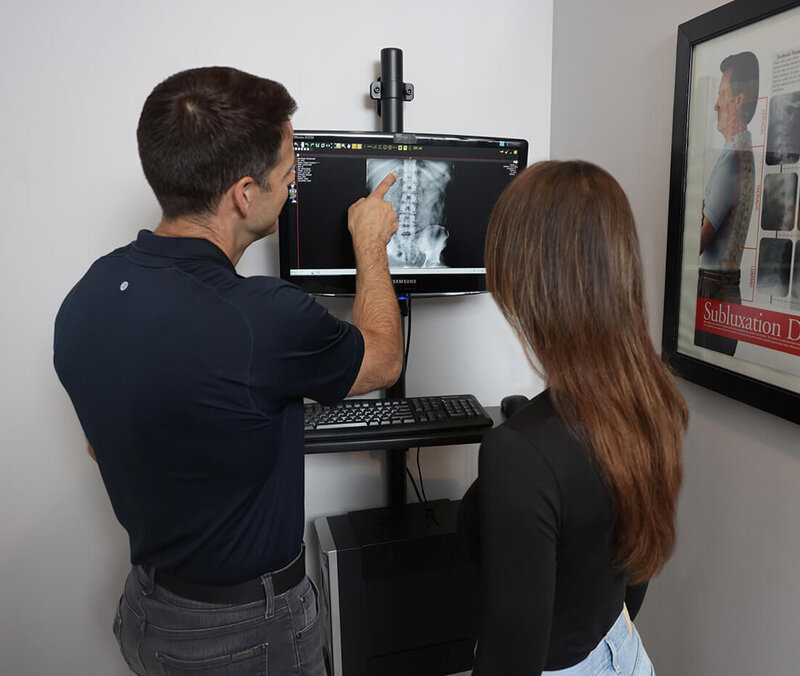
In some cases, imaging such as X-rays may be recommended depending on the nature of the injury and clinical findings.
Based on the evaluation, the chiropractor can recommend a treatment plan tailored to your condition.
Recovery and Rehabilitation
Recovery from car accident injuries often involves more than just pain relief. A comprehensive plan may include:
- Gentle chiropractic adjustments
- Soft tissue therapy
- Mobility exercises
- Strengthening exercises for spinal support
- Guidance on posture and daily activities
The goal is to restore normal function, reduce inflammation, and help prevent lingering issues that could affect long-term spinal health.
The Bottom Line
Even minor car accidents can place significant stress on the spine and surrounding tissues. Because symptoms may appear hours or days later, many injuries go unnoticed in the early stages.
Seeing a chiropractor after a car accident can help identify hidden injuries, restore normal joint movement, and support a safe recovery process. If you’ve recently been involved in a collision and are experiencing neck pain, back pain, or stiffness, a chiropractic evaluation may be an important step toward getting back to feeling your best.